
Professional Development
Upcoming Workshops & Courses
Engaging, practical professional development designed for educators in international learning contexts.
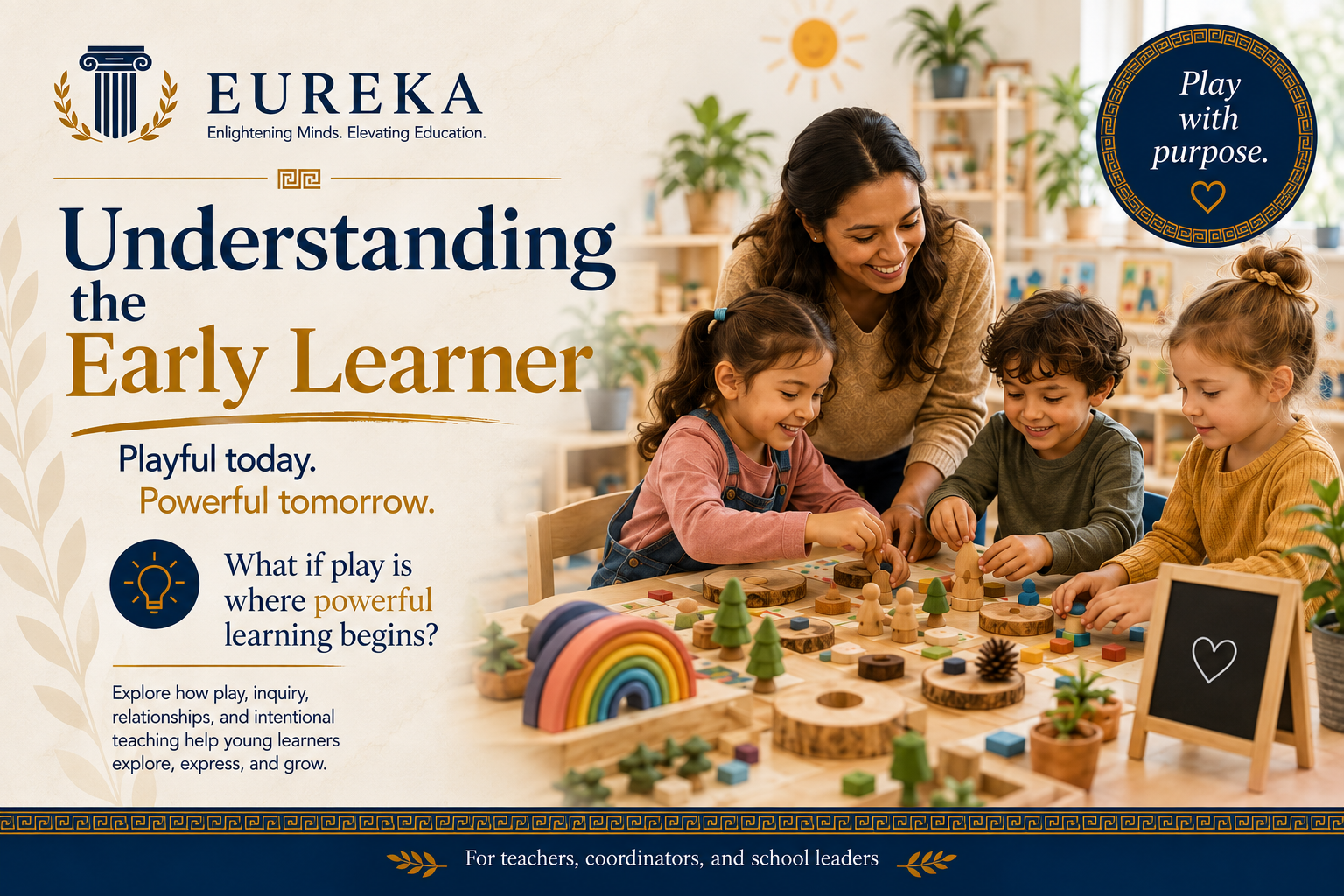
Understanding Learning in the Early Years
Young children are naturally curious, capable and driven to explore their world through play. This workshop explores how play can become a powerful vehicle for inquiry, meaning-making and conceptual understanding. Grounded in the PYP approach to early learning, participants will examine how relationships, learning environments, symbolic exploration and transdisciplinary experiences can position young learners as active, capable and agentic participants in their learning. The workshop focuses on moving beyond “play as an activity” towards play as intentional learning, where educators thoughtfully observe, respond to and extend children’s thinking.
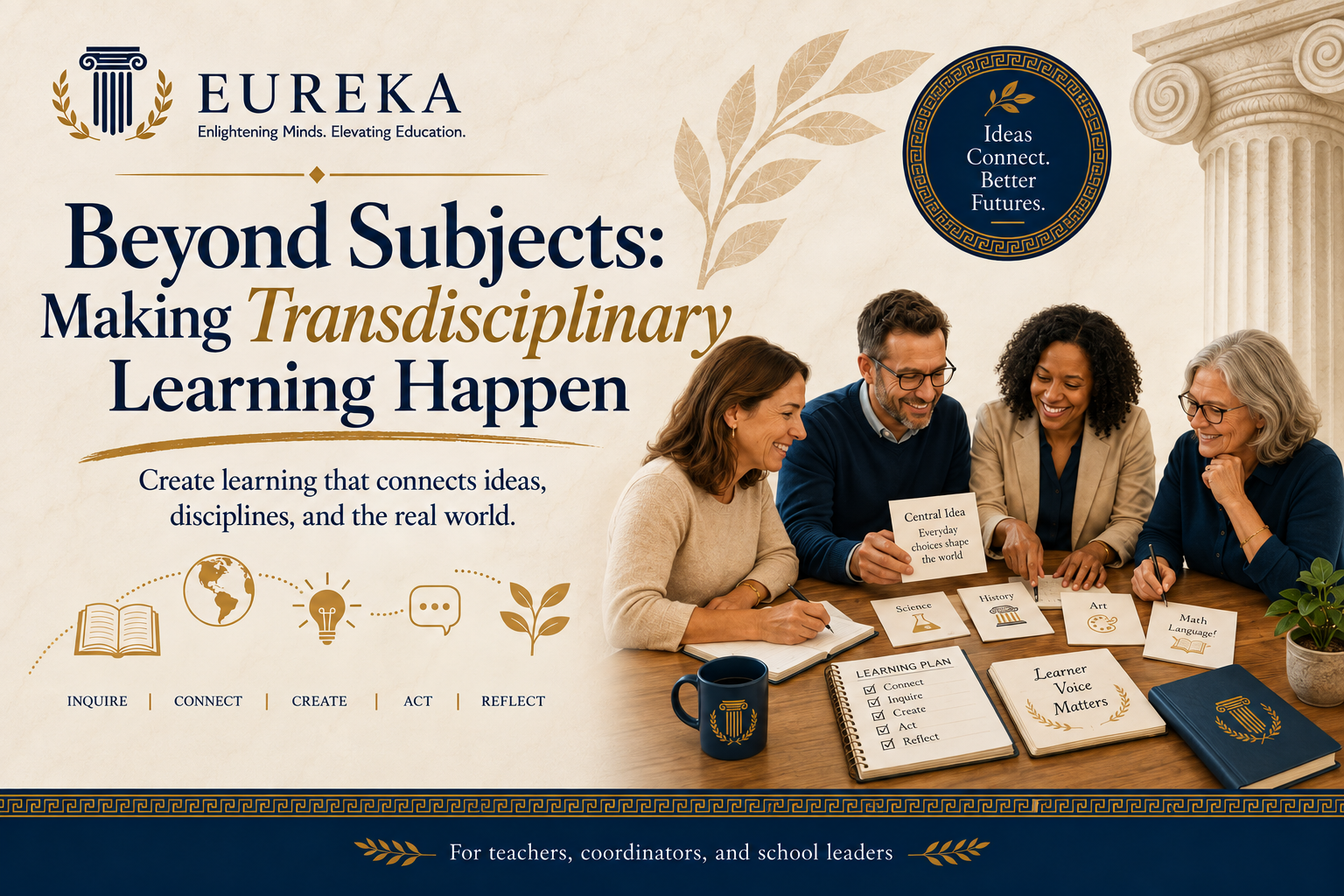
Beyond Subjects: Making Transdisciplinary Learning Happen
Transdisciplinary learning goes beyond simply connecting subjects, it invites learners and educators to make meaningful connections, explore real-world issues, and apply learning in authentic contexts. This workshop supports educators in designing and implementing a curriculum that balances disciplinary and transdisciplinary learning while responding to the needs, interests and aspirations of the learning community. Participants will explore how curriculum can be co-constructed with learners, how transdisciplinary thinking can be intentionally framed, and how real-life contexts can create opportunities for learners to take action and make a meaningful difference. The workshop places strong emphasis on agency, collaboration, reflection and continuous curriculum development.
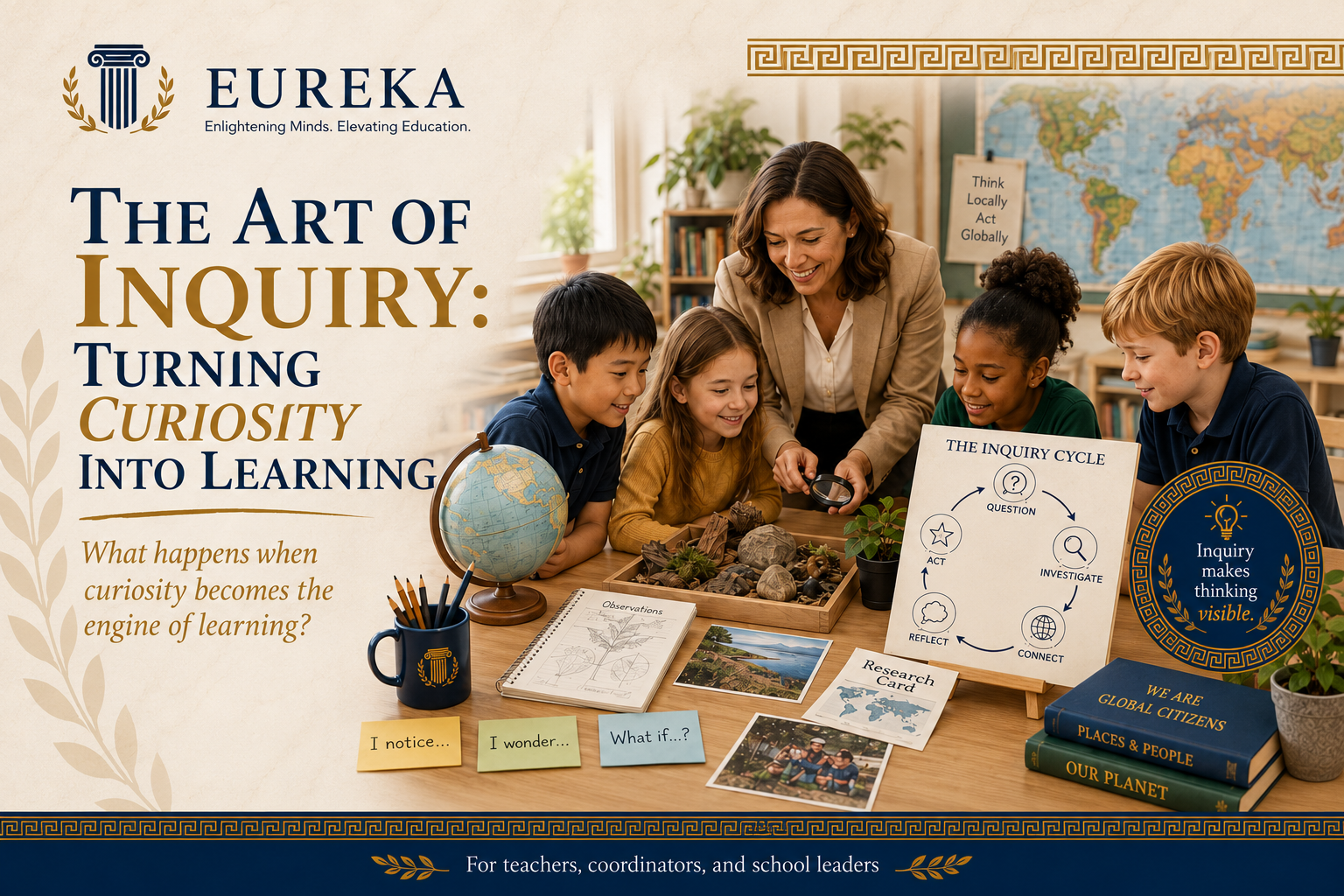
The Art of Inquiry: Turning Curiosity into Learning
How can we transform students’ natural curiosity into meaningful inquiry and powerful learning? This workshop explores how educators can create learning environments where students ask questions, investigate, make connections, reflect and take action. Participants will explore practical strategies for designing authentic inquiries connected to local and global contexts, while empowering learners to take greater ownership of their learning.
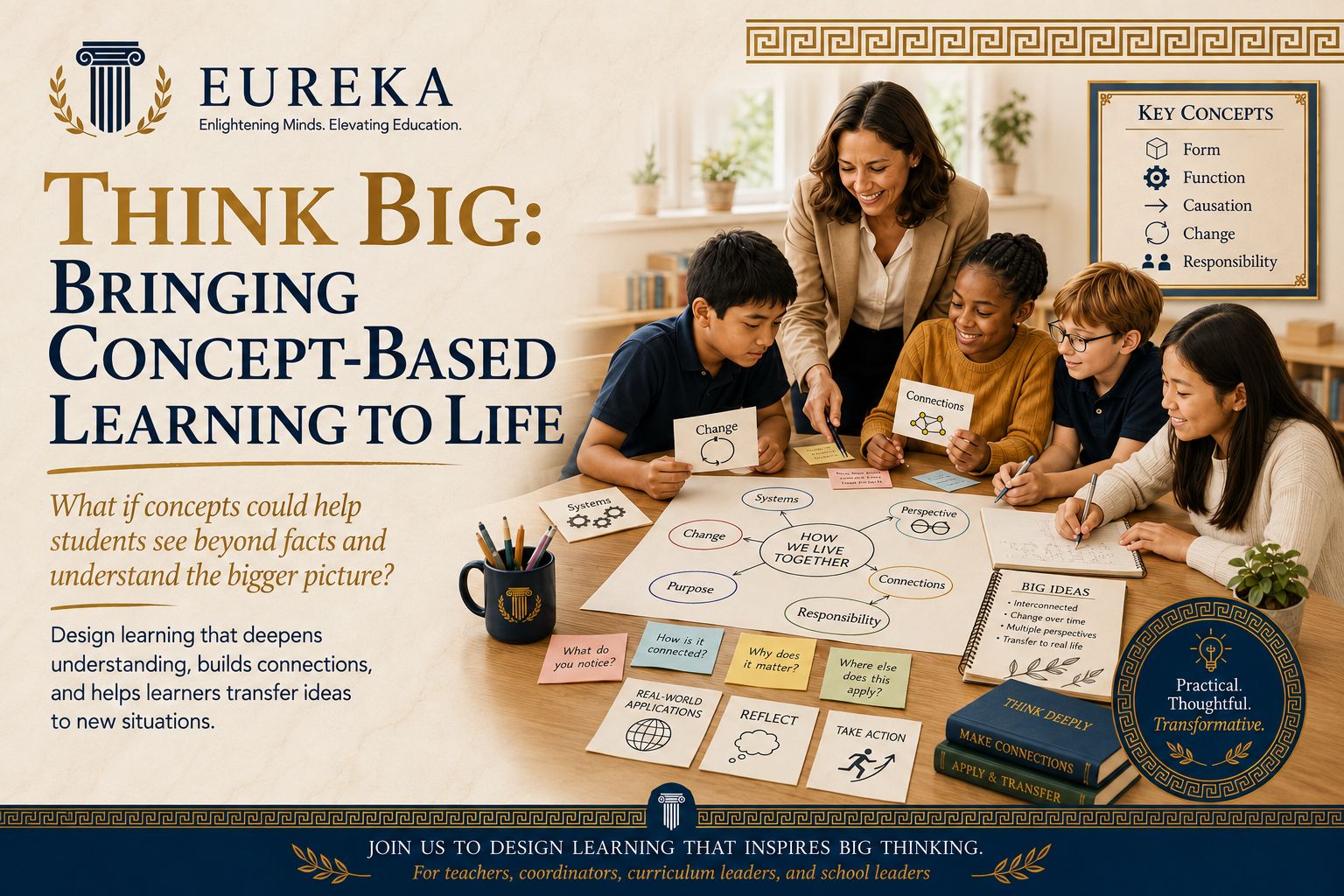
Think Big: Bringing Concept-Based Learning to Life
How can we move students beyond knowing facts to developing deep, transferable understanding? This workshop explores how educators can intentionally design and facilitate concept-based learning within inquiry-based and transdisciplinary contexts. Participants will discover how concepts can act as powerful lenses for inquiry, enabling learners to make connections, explore diverse perspectives and transfer their understanding to new situations. Through practical strategies and collaborative exploration, participants will consider how conceptual learning can be embedded across curriculum design, the Programme of Inquiry, unit planning, teaching and assessment.
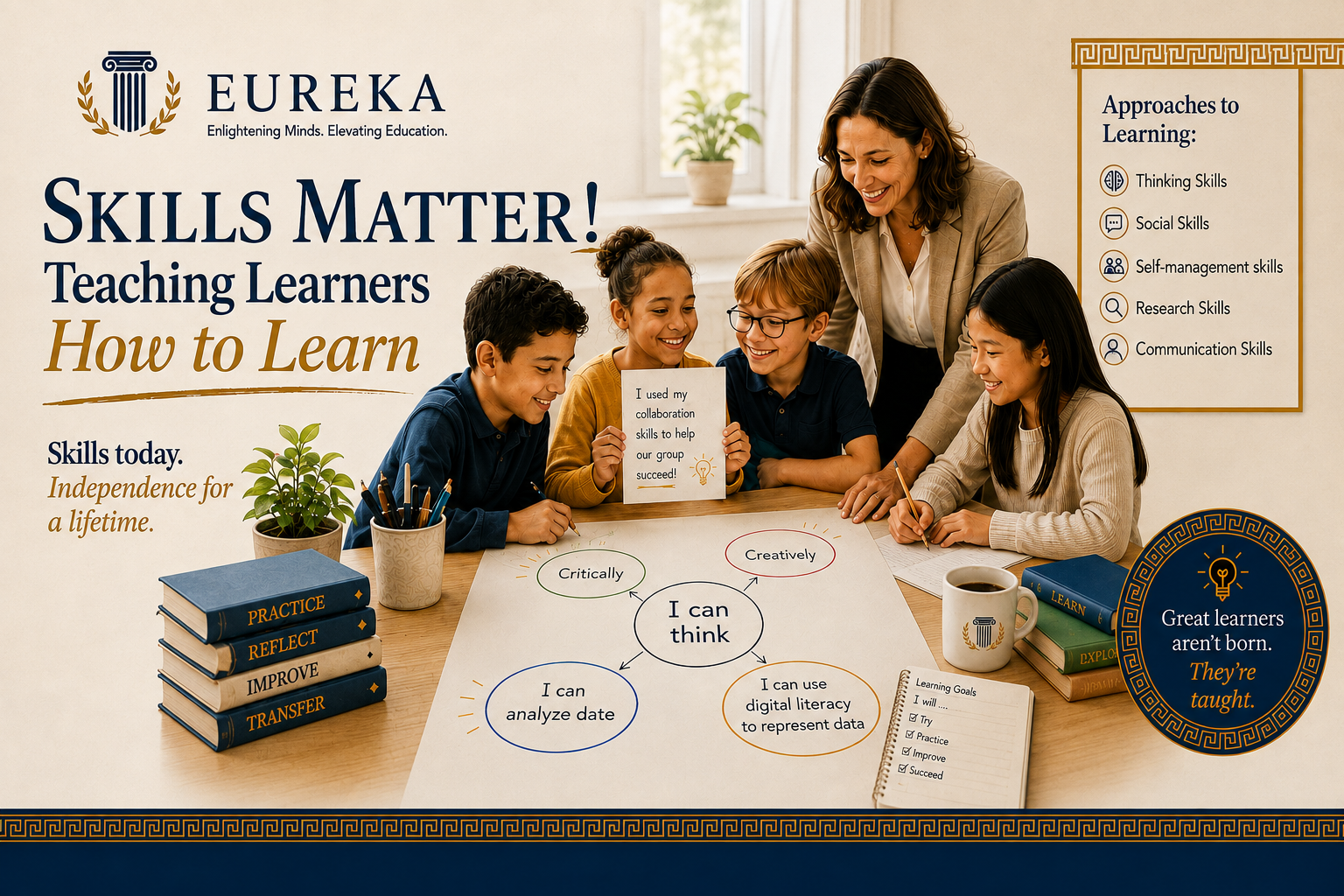
Skills Matter!: Teaching Learners How to Learn
Learning is more than acquiring knowledge; it is about developing the skills and dispositions that enable learners to think, communicate, collaborate, create, solve problems and become increasingly independent. This workshop explores why explicitly teaching learning skills is essential to developing capable, confident and lifelong learners. Participants will examine how skills can be intentionally identified, taught, modelled, practised, assessed and transferred across different learning contexts. Through practical strategies and collaborative exploration, educators will consider how to make skills visible, purposeful and meaningful, helping learners understand not only what they are learning, but how they can learn more effectively.
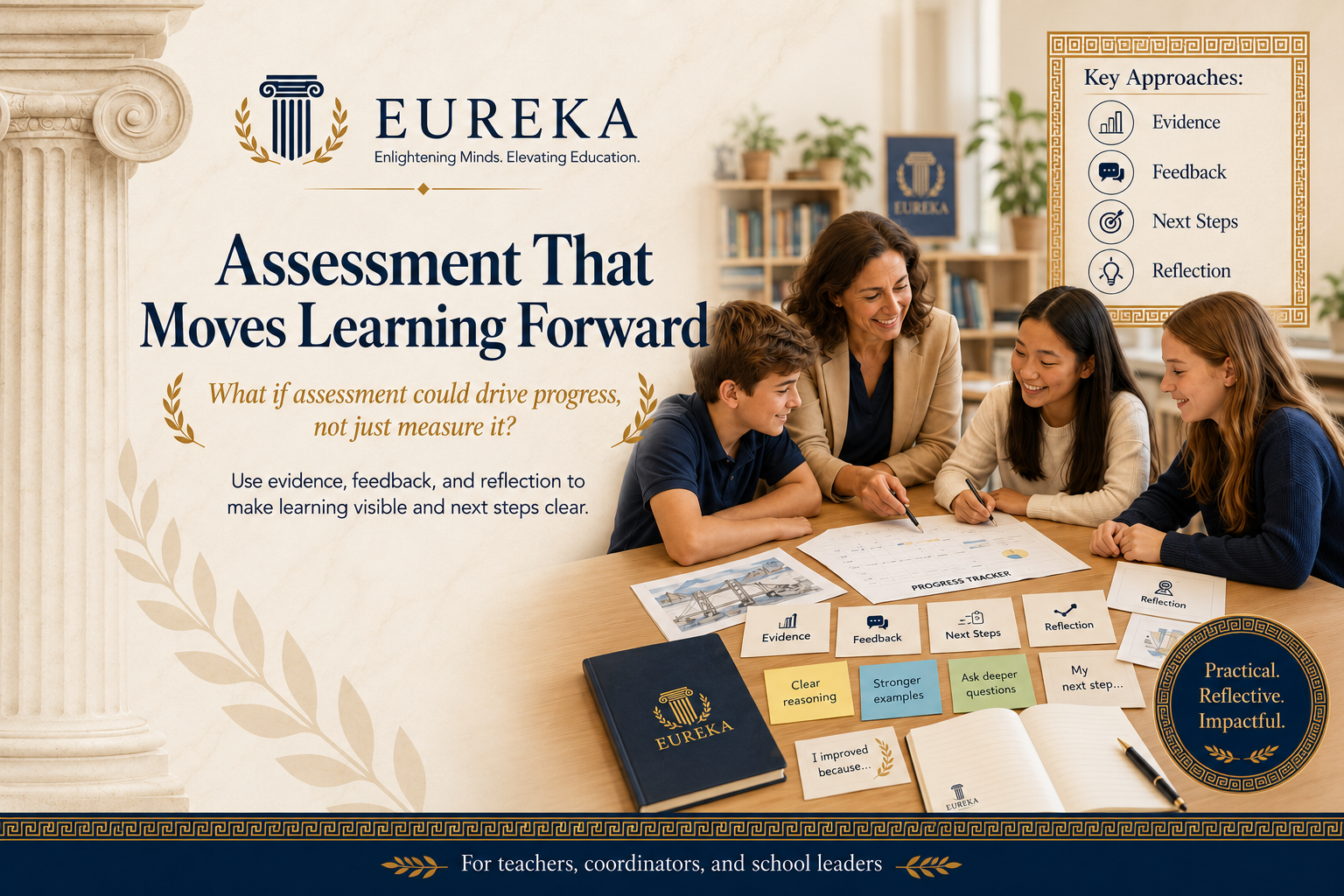
Assessment That Moves Learning Forward
Assessment is most powerful when it is used not simply to measure learning, but to move learning forward. In this workshop, participants will explore current perspectives and developments in educational assessment, with a particular focus on how assessment can be integrated into the learning process to improve learner outcomes. Participants will examine the purposes and characteristics of effective assessment and explore how monitoring, documenting, measuring, and reporting learning can generate meaningful evidence that informs learners, teachers, and the wider learning community. Through practical exploration and reflection, participants will strengthen their assessment capabilities by learning how to: